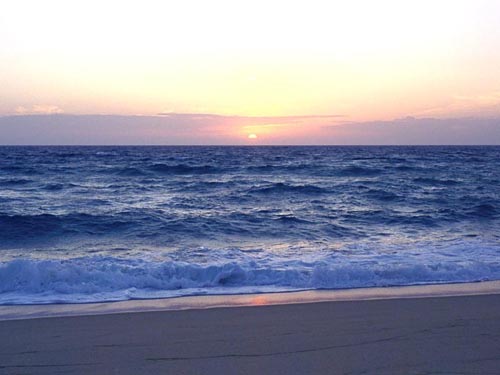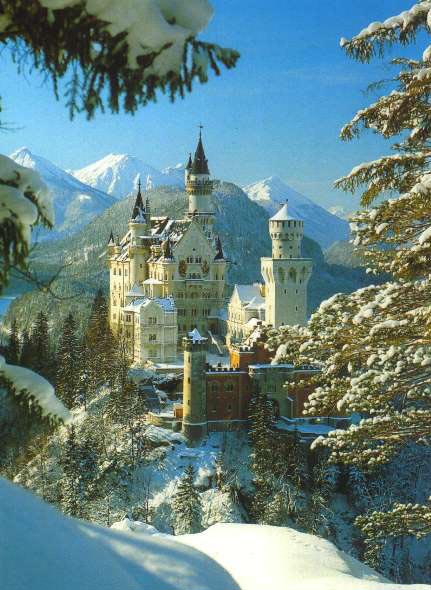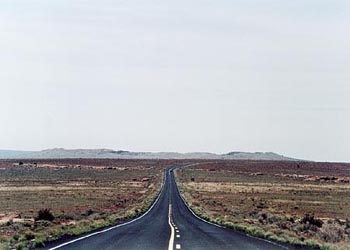
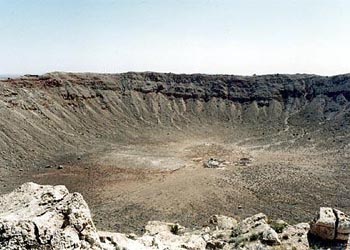
 Photos by D. Bowden 1998
50,000 years old
4100 feet across
Over 3 miles in circumference
570 feet deep
Look closely and you will see the little camp at the bottom of the crater.
Photos by D. Bowden 1998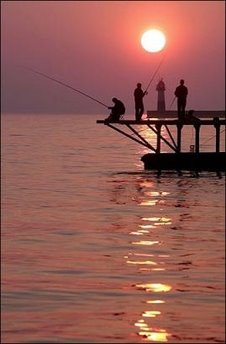 Local men fish from a jetty at sunset from the Black Sea's coast on the Russian southern resort city of Sochi.
  An art installation, made of thousands of pairs of jeans, is displayed in Shanghai May 24, 2006. The installation has a diameter of about 5 m (16 feet).
  In 1993, seven ornaments were added to the roof. They are placed on each of the four corners, as well as in the centers of the State, Congress, and Van Buren sides. The State Street ornament is a sculpture of an owl, and the Congress and Van Buren ornaments incorporate seed pods, which are symbolic of the natural bounty of the Midwest. The ornamentation at each of the four corners includes a small owl perched in the foliage.

 Two dolphins swim in Europe's L'Oceanografic aquarium in Valencia Spain in 2003. Bottlenose dolphins are the only animals besides humans that use sounds to recognize members of their group. (AFP/EFE/File/JJ Cardenas)
 The Eiffel Tower shows blue lighting to mark Europe's Day early Tuesday, May 9, 2006, in Paris. May 9 marks the anniversary of the speech made by French Foreign Minister Robert Schuman in 1950 which led to post World War II Europe creating a pan-european organisation which has grown into the present day E.U. (AP Photo/Jacques Brinon)
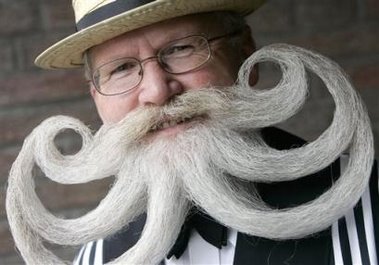 German Willi Chevalier, world champion freestyle chin beard 2005, poses during the International German Beard and Moustache Championships in Hesel, northern Germany, on Saturday, April 29, 2006. Some 100 participants from eight nations compete to become world champion in one of 16 beard and moustache categories. (AP Photo/Kai-Uwe Knoth)

Words & Music by Carl Sigman, Robert Maxwell, 1953
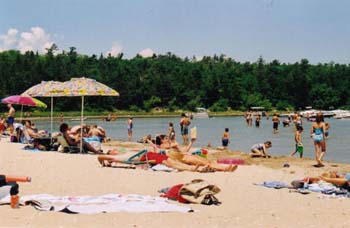
 Photos By D. Bowden - 2004
 I found this while digging through the unusual news items on Yahoo. What Mr. Cocker says is true...How often do we plod the earth oblivious of the drama lost overhead in that vast pale eye of secrecy.
It was an hour before I got my answer. Marsh harriers are often easy to pick out even at range, because it's about the only local bird that flies without a flap for long periods. A lingering airborne stillness suddenly drew my eye high overhead to the speck centred in a vast dark cavern of rain cloud. There were two marsh harriers circling at huge range - perhaps a kilometre high - but the third bird with them was a peregrine. Its distinctive anchor silhouette twisted in tight spirals close to one of the harriers and it was obvious that there was some electric pulse of emotion between them. Suddenly the game of aerial tag spilled into something far more dramatic. Briefly the two birds locked talons and fell earthwards before swooping away and resuming their parallel manoeuvres. They then cruised across the heavens, dust motes tracking west, until they were momentarily fixed against the flaring whiteness of sunlit cloud.
As the three remarkable birds patrolled those deep canyons of cold air I began to wonder above which unlikely places are such scenes played out that go undetected by their terrestrial neighbours? How often do we plod the earth oblivious of the drama lost overhead in that vast pale eye of secrecy. This is me on Christmas 1955. I was about 15 months old. I was still the only child and no siblings to share the attention yet. I had center stage. This photo was taken at my Grandma and Grandpa's apartment on Avenue M on Chicago's "East Side". Notice the tinsel on the tree. This is back in the days where most people had a real Christmas tree and decorated them with the big, fat colored lights and the stringy tinsel. The whole place would be filled with the scent of evergreen.
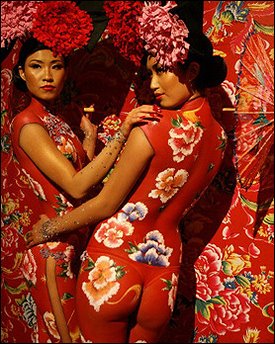 Going Qi Pao : Models display body paint at a live exhibition of the Qi Pao, the classic Chinese Dress, to officially launch Australian Fashion Week in Sydney. (AFP/Greg Wood)
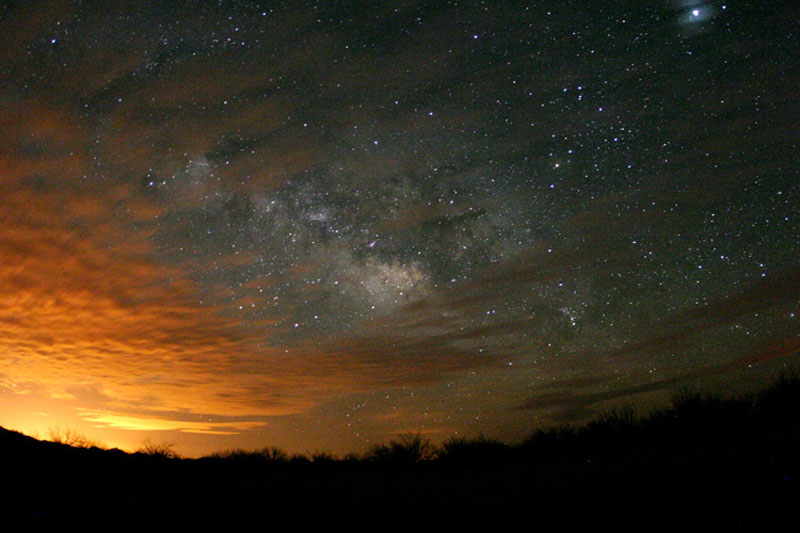
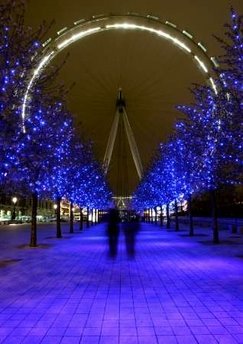 A view of the London Eye at night on the banks of River Thames, London April 19, 2006. Designed by David Marks and Julia Barfield it is the largest observation wheel ever built. REUTERS/Luke MacGregor
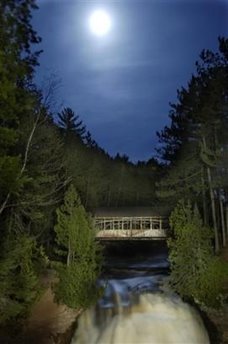 A full moon rises over the bowstring bridge at Amnicon Falls State Park, near Superior, Wis., in this image made using a long exposure Thursday night, April 13, 2006. (AP Photo/Jack Rendulich)
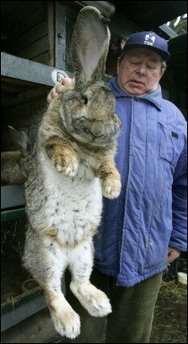 German rabbit breeder Karl Szmolinsky presents his giant male breeding rabbit 'Robert' in Eberswalde, eastern Germany, February 2006. In a tale reminiscent of the last Wallace and Gromit movie, furious villagers in northeast England have hired armed guards to protect their beloved communal vegetable gardens from a suspected monster rabbit.(AFP/File/Michael Urban)
 Photo by D. Bowden 2001
 Diane and Debbie 1975

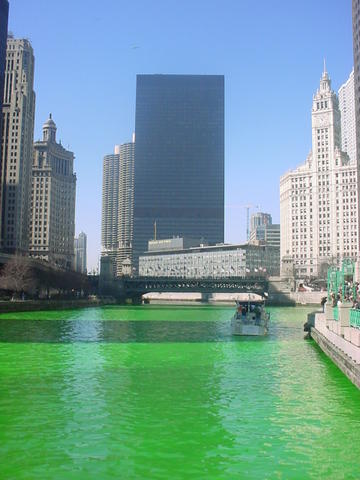 Every year on St. Patrick's Day, the river is dyed green. The Pipefitters Union uses fluorescein dye which can also be used to study moving water. While in 1962, 100 pounds (45 kg) of dye were used, more recently the amount has been decreased to about 40 pounds (18 kg). The tradition of dying the river green for St. Patrick's Day dates back more than 40 years.
 Billie Burke as "Glinda the good witch of the north"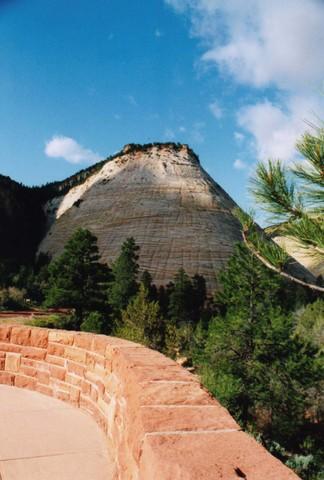


 I took these photos along with many others during our trip out west in 1998. I have never seen such magnificent colors. Oranges, reds, and the green of the foliage...the turquoise skies.
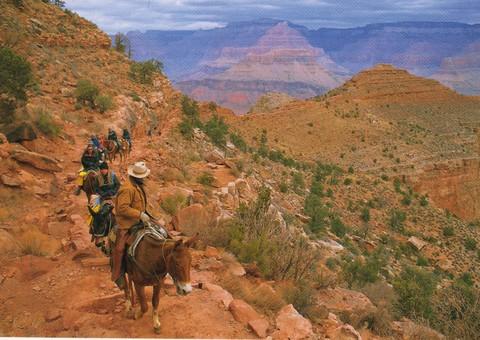 My family and I were here in 1998 and my husband and I want to go back. No photograph can do justice to the magnificence and beauty of this natural wonder.